
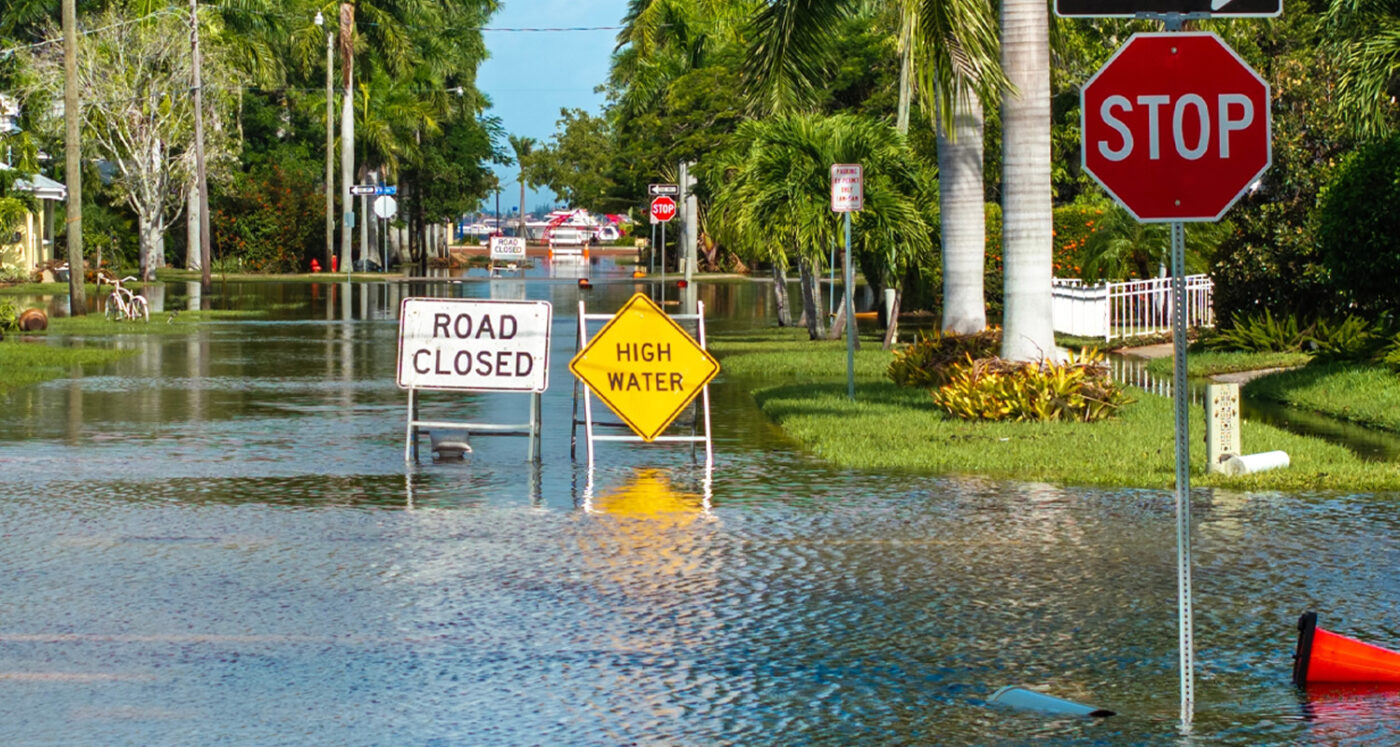
National Preparedness Month is a crucial reminder of the potential impact of both natural and man-made disasters. As a military spouse with frequent moves, you’ll want to know the risks at each duty station and update your plan accordingly. While we hope for the best, being prepared financially can significantly mitigate the stress and hardship that disasters can bring. Steps to prepare:
- Build your emergency fund: The cornerstone of disaster preparedness is a robust emergency fund. Aim for at least three to six months of living expenses. Consider automating savings deposits, cutting unnecessary expenses, selling unused or unneeded items or using tax refunds. Having this fund acts as a buffer against insurance deductibles, medical bills, repairs or the disruption of income or housing following a disaster.
- Inventory your insurance: Regularly review your insurance policies — homeowner’s, renter’s, auto, life and health. Know the limits of your coverage and ensure it adequately protects your assets and family in various scenarios. Document your possessions with photos or videos, storing the files securely in the cloud. This is invaluable for insurance claims and critical to maintain through Permanent Change of Station moves.
- Protect important documents: Keep essential documents — birth certificates, marriage licenses, insurance policies, military IDs and financial records — in a fireproof and waterproof safe or a secure, easily accessible location. Consider creating digital copies and storing them in the cloud or with a trusted family member in a different location.
- Plan for displaced living: Disasters can force evacuations and temporary displacement. Having a contingency plan and accessible emergency fund allows you to cover the costs of temporary housing, food and transportation. Research local hotels or temporary housing options near your installation or pre-approved relocation centers (don’t forget to identify ones that are pet-friendly, if needed). Disaster assistance from the Federal Emergency Management Agency may be available to help you recover.
- Leverage military resources: Don’t forget the support networks available to military families. Military OneSource helps you prepare ahead and navigate support should you suffer an emergency. In addition, your military aid society can provide support in the aftermath of a disaster. Connect with fellow spouses; collective knowledge and mutual support are invaluable during challenging times.
- Create a Communication Plan: Establish a clear communication plan with family and friends, including your spouse’s unit and out-of-state contacts. Designate an out-of-state contact person who can serve as a central point of contact should family members be separated during an emergency. Save important phone numbers in an offline document.
Preparing for disasters is not about fear; it’s about empowerment. By taking proactive steps to strengthen your financial resilience, you can safeguard your family’s well-being and navigate unexpected challenges with greater confidence and stability. This National Preparedness Month make financial preparedness a top priority.

MilLife Milestones


an Update

Personality Quiz

Next Blog
National Preparedness Month is a crucial reminder of the potential impact of both natural and man-made disasters. As a military spouse with frequent moves, you’ll want to know the risks at each duty station and update your plan accordingly. While we hope for the best, being prepared financially can significantly mitigate the stress and hardship that disasters can bring. Steps to prepare:
- Build your emergency fund: The cornerstone of disaster preparedness is a robust emergency fund. Aim for at least three to six months of living expenses. Consider automating savings deposits, cutting unnecessary expenses, selling unused or unneeded items or using tax refunds. Having this fund acts as a buffer against insurance deductibles, medical bills, repairs or the disruption of income or housing following a disaster.
- Inventory your insurance: Regularly review your insurance policies — homeowner’s, renter’s, auto, life and health. Know the limits of your coverage and ensure it adequately protects your assets and family in various scenarios. Document your possessions with photos or videos, storing the files securely in the cloud. This is invaluable for insurance claims and critical to maintain through Permanent Change of Station moves.
- Protect important documents: Keep essential documents — birth certificates, marriage licenses, insurance policies, military IDs and financial records — in a fireproof and waterproof safe or a secure, easily accessible location. Consider creating digital copies and storing them in the cloud or with a trusted family member in a different location.
- Plan for displaced living: Disasters can force evacuations and temporary displacement. Having a contingency plan and accessible emergency fund allows you to cover the costs of temporary housing, food and transportation. Research local hotels or temporary housing options near your installation or pre-approved relocation centers (don’t forget to identify ones that are pet-friendly, if needed). Disaster assistance from the Federal Emergency Management Agency may be available to help you recover.
- Leverage military resources: Don’t forget the support networks available to military families. Military OneSource helps you prepare ahead and navigate support should you suffer an emergency. In addition, your military aid society can provide support in the aftermath of a disaster. Connect with fellow spouses; collective knowledge and mutual support are invaluable during challenging times.
- Create a Communication Plan: Establish a clear communication plan with family and friends, including your spouse’s unit and out-of-state contacts. Designate an out-of-state contact person who can serve as a central point of contact should family members be separated during an emergency. Save important phone numbers in an offline document.
Preparing for disasters is not about fear; it’s about empowerment. By taking proactive steps to strengthen your financial resilience, you can safeguard your family’s well-being and navigate unexpected challenges with greater confidence and stability. This National Preparedness Month make financial preparedness a top priority.


MilLife Milestones

Budget Basics: Where Is My Money Going?
Have you ever had the feeling that your hard-earned money seems to vanish into thin air? Well, it…
Read MorePersonality Quiz
